













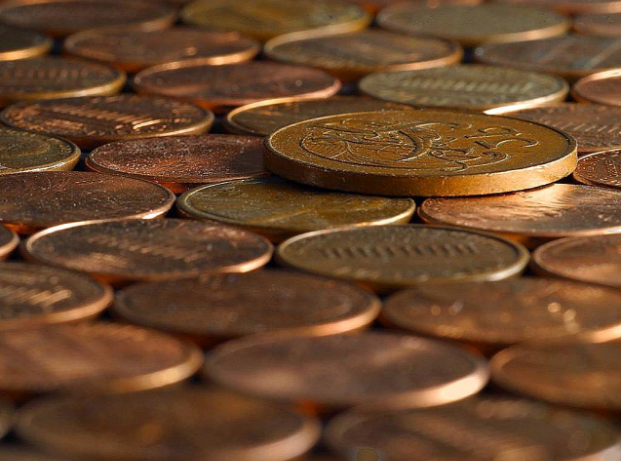
The penny has been around forever, but these days it’s basically the forgotten coin at the bottom of everyone’s wallet, or stuck in a jar somewhere collecting dust. It actually costs more than a cent to make one, and honestly, most people rarely pay with cash anymore. With tap-to-pay, debit cards, and mobile wallets, exact change isn’t just a big deal. Because of this, some stores have started rounding cash totals to the nearest nickel or simply avoiding pennies altogether, especially at self checkout counters where speed and efficiency are key. Handling pennies slows things down and can even frustrate both employees and customers, making the tiny coin feel unnecessary.
Even though the U.S. hasn’t officially removed the penny from legal tender, its days in everyday use are clearly numbered. According to BridgeDetroit, the U.S. Mint struck its final pennies in November 2025, and existing coins will gradually be taken out of circulation rather than replaced (“Is the U.S. Retiring the Penny?”)
Pennies are increasingly seen as more trouble than they’re worth. They are annoying to count, take up space in cash registers, and customers often dig for them like they’re on a treasure hunt. Teens and young adults rarely use cash at all, making the idea of carrying low-value coins seem pointless. The penny has shifted from an essential part of daily transactions to something many people barely notice.
As digital payments continue to replace cash, many businesses are already adapting by rounding pieces or choosing not to keep pennies at checkout. Whether or not the penny disappears completely, it has clearly lost its role in modern commerce, proving that even significant things can become outdated.