











As Halloween comes to an end, the holiday season begins to approach. The Christmas tradition of whimsical music is a primary factor that ties in the vibes of the whole holiday season. A figure of the face of this campaign is slowly defrosting … .and her name is Mariah Carey. Carey is best known for her significant Christmas song, “All I Want For Christmas Is You.” Most people mutually agree that Carey is a vital figure during the Christmas season, including Sephora, a popular retailer of personal care and beauty products. As a result, Sephora has made Mariah Carey the face of a now controversial Christmas advertisement. But what about this advertisement is turning heads and simulating various conversations about capitalism and consumerism?
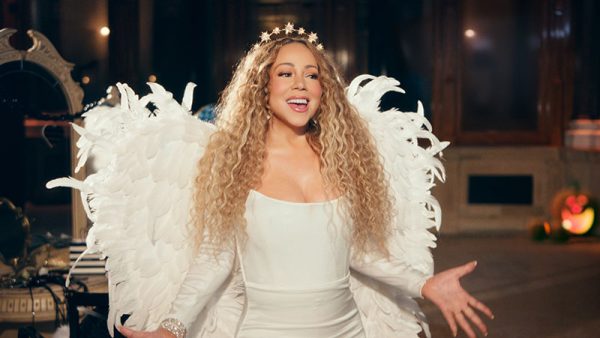
The advertisement starts with Carey dressed in an angel costume for Halloween. “Halloween slayed, but now it’s time,” Carey exclaims, marking the transition from Halloween to Christmas. Her verbal celebration is interrupted when she realizes her makeup in a distinct, striped Sephora bag is swiped by an elf. The elf justifies this thievery, since the elves are “striking” this year, alluding to the mass boycotts of various companies, including Sephora. The elf continues, claiming that the makeup will be pawned so the elves can afford elf therapy, alluding to the working-class and their choice of expenses. “Christmas is canceled,” the elf exclaims; many think this is a jab at the working class being “Anti-Christmas” for choosing to boycott certain companies. Regardless of this little show the elf is putting on, Mariah Carey continues with her iconic slogan, “It’s time,” signifying the continuation of Christmas.
The advertisement subsequently created buzz and conversations about insensitivity. Many believe it is insensitive of a big corporation to poke fun at the working class and their decision to boycott companies in an increasingly capitalistic society. Some believe it is ironic in itself to commercialize a well-loved tradition that is actively shading those who choose not to indulge in capitalistic affairs. The concept of Carey’s song, “All I Want for Christmas” featured in the advertisement revolves around not needing materialistic things for Christmas, which simultaneously goes against the mocking Americans for boycotting. Some argue that this incident reminds us that celebrities are not our friends. Others claim that people are looking far too into the advertisement meant to amplify the Christmas spirit. Regardless of contrasting opinions, the advertisement has opened debates about bridging the gap between classes based on income and standing under a capitalistic society.