










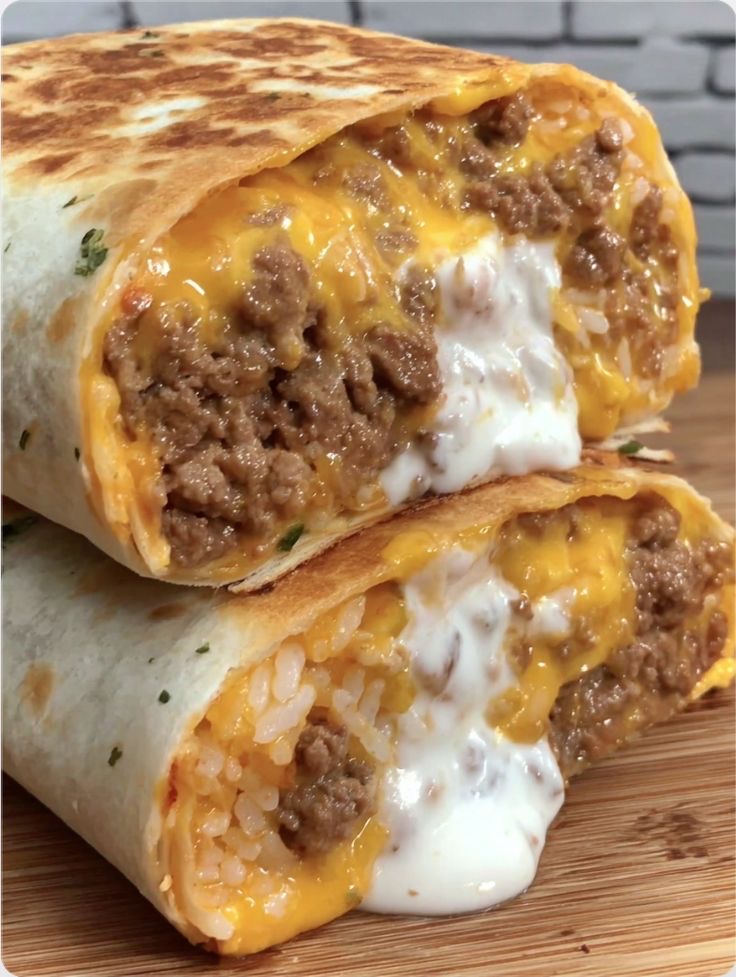
In 2019, a problem arose as three separate customers all made the same odd complaint. According to the regulators, customers had found small, thin metal fragments mixed in the season beef filling. The issue prompted a large-scale recall and raised questions about food production and quality control within the fast-food industry.
Following these complaints, the company and federal regulators began investigating the potential source of contamination. According to the U.S. Department of Agriculture’s Food Safety and Inspection Service, the issue actually traces back to a supplier facility in Columbus, Ohio. For safety, Taco Bell decided to voluntarily do an immediate recall, recalling around 2.3 million pounds of seasoned beef from restaurants across 21 different states. The contaminated beef had been produced around September 20 and October 4, and was all used for taco and burrito fillings. Presence of foreign materials like metal fragments can pose a potential safety risk, but officials reported that no injuries were confirmed with the affected individuals. Once the issue was identified, the company then worked with the federal regulators to discard any affected products.
In a public announcement on X (formerly known as Twitter), Taco Bell acknowledged the recall and emphasized that customer safety was its main priority. The company halted distribution of the beef and ensured that all affected locations removed the product from their kitchens.
Incidents like these show how fast food safety regulations work in practice. It sparked a broader debate about how “safe” fast food restaurants really are. While regulators and companies promised that no injuries were reported, many consumers questioned whether large chains can consistently guarantee contaminant free meals while cheaping out on every corner for bigger profit margins. Critics argued that high volume processing makes fast food vulnerable to any mistakes and could affect up to thousands of customers at once–showing how even advanced safety like metals detectors or HACCP–Hazard Analysis and Critical Control points, responsible for food safety systems– are prone to make mistakes. However, advocates said that inspection and recalls show that the system does work. Still, it left many customers with an uncertain guarantee about their food quality, and whether the convenience of fast food comes with hidden risks.