











Maison Margiela is a fashion brand that treats clothing more like ideas rather than its usual standard. Instead of heavily relying on logos, glamour, trends, or advertisements, it experiments with the garment itself and how each piece is carefully crafted–often leaving seams visible, reusing old materials, or reshaping familiar garments in ways you would never expect. The brand is known for anonymity and for designs that feel simplistic, yet artistic.
One of the most powerful things about this fashion brand is its philosophy of rejecting the customary obsession with ego. The brand became famous without relying on a celebrity designer or someone with fame promoting it. There are absolutely no logos, there is not a need for a shout for attention. Margiela’s main focus is clothes and garments. In an industry driven by hype and trends, this type of principle makes it rebellious.
Margiela is also very much ahead of its time in how it manages its materials. The brand has always been talented at reconstructing vintage clothing and transforming discarded objects into something revolutionary. One of the main examples of Margiela’s radical approach is the Tabi boots. Introduced in 1988, the split-toe design was inspired by traditional Japanese work shoes. By transforming a functional, and common everyday style into a high-fashion icon, Margiela testified against Western ideas of beauty and wearability. The visible seam and unconventional silhouette reject polish in favor of concept, making it more of a statement about history. Their idea of giving garments its history and meaning outshine its other competitors. Every piece feels like it has a past, which makes it more personal due to the sentimental value you can eventually develop with the piece.
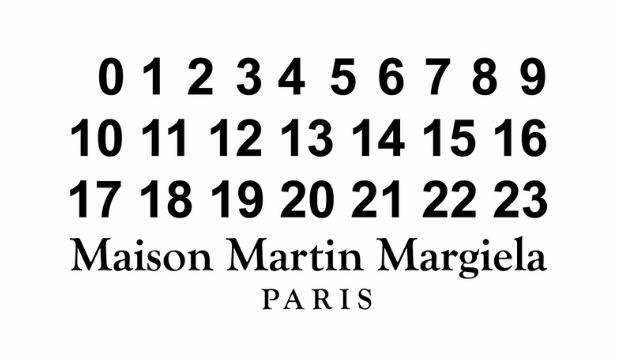
What makes Maison Margiela unique is how much faith it has in its consumers. There are absolutely no instructions on how to style certain pieces and it doesn’t change itself to adapt to the current needs of the public. You’re invited to interpret each collection in your own way–as if it’s almost like an art collection. Margiela loves the fact that it’s able to be openly interpreted without being too niche. For an example, Margiela’s branding–being marked only by a blank label and their iconic white stitches at every corner–can be read as quiet confidence or insider knowledge. It rejects modern obsession with logos while remaining instantly recognizable to those who are familiar.
Ultimately, Maison Margiela stands out due to its reasonings–it doesn’t try to fit into fashion. It defies current fashion trends, bends the rules, and proves that garments and fashion can be conceptual and emotional at the same time. Therefore, for many people including I, Margiela is not just a favorite brand, it’s the reason why fashion feels interesting in the first place.