






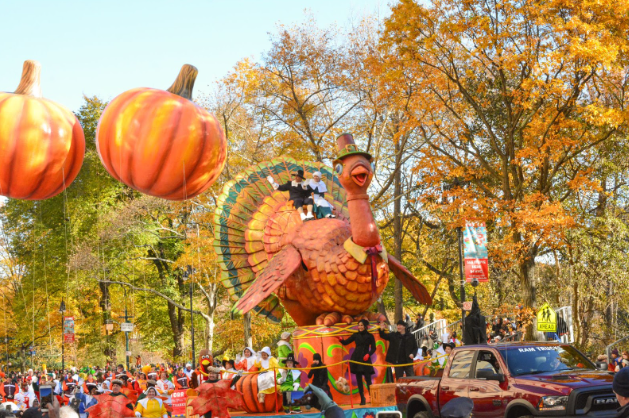
Leaves, once bright and lively, are now turning into amber and ashes. As the sky turns from powder blue skies into the warm and luscious sky of profound saffron, the atmosphere of Thanksgiving is truly around the corner. It’s the season of ugly sweaters, foggy mornings, and the faultless, smoky, and earthy scent of decomposing leaves. Autumn is a prelude. It stirs the yearn for food–the comforting and rich food we’d all consume at our granny’s house with the family. Thanksgiving comes with the sweet memory of our childhood pants. At the center of this seasonal atmosphere, one prominent thing stands out: the turkey.
It’s more than just meat. Turkey has become the center of our everyday Thanksgiving feast. It has become the symbol — a culinary foundation. There’s no other food that embodies the spirit of the holiday like turkey does. In fact, for many, Thanksgiving is turkey. Turkey was not always the star of Thanksgiving. Historical accounts from 1621 reveal that a modest fear existed about seafood and wild fowl being served. It wasn’t until the 19th century that writer Sarah Josepha Hale passionately supported the idea of Thanksgiving as a holiday. In her most famous work, she depicted turkey as the ideal centerpiece: large enough to feed a family and rich in celebratory manners. On October 3, 1863, President Abraham Lincoln issued a proclamation designating the last Thursday of November to be the day of Thanksgiving. The tradition had already begun to take shape, and the turkey took its throne.
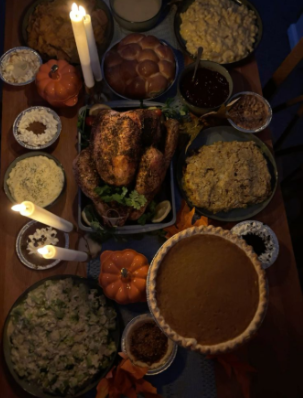
As time changes and culture changes, Turkey evolved from a meal to a symbol. Its crisp, golden-brown skin, along with aromatic seasoning of different spices and herbs, makes everyone turn their heads at the family table. Families return to the same beloved dish year after year. Turkey truly embodies the warmth and abundance that the holiday has to give. Some families openly declared that a classic herb-roasted turkey is better than other options. Some even experiment with Cajun rubs or deep-fried, but it’s up to how your family personally likes to enjoy turkey. Nevertheless, no matter how you choose to cook your golden delight, it always comes as the centerpiece of your feast–like a masterpiece.
Food on Thanksgiving can even be seen as a love language. Recipes handed down from generation to generation are treasured like a family heirloom. Different cultures have unique, personal recipes. A beloved stuffing recipe from grandma, your father’s famous mac and cheese recipe, each dish tells a story of who we are and our traditions. It represents our identity as well. Even the leftovers can carry such details.
As our taste buds change with the seasons, turkey remains a constant symbol of unity. The holiday table may include new flavors yearly, but that familiar brown-looking bird still anchors the spread, reminding us that tradition is always near. Thanksgiving isn’t defined by perfection or how tasty your uncle’s recipe is; it’s the act of gathering, sharing, passing plates, and savoring the flavors that truly give us the essence of Thanksgiving. Ultimately, turkey is just more than a main course. It enables us to connect and creates moments worth celebrating — bite by bite.