











Every time you take a stroll in any convenience shop today, one thing becomes increasingly clear: high-protein food is everywhere! From protein-packed protein drinks, snacks, cereals, even desserts, protein has been in the mainstream for quite a while now. How did this macro-nutrient become so dominant within our modern society?
For many years, protein was mainly associated with athletes and body builders. When you think of protein, you usually think of plain chicken breasts, eggs, protein shakes, and other protein dense items. These items were all heavily tied to the gym culture as bodybuilders obtain their physique through strenuous and plain diet. Nevertheless, protein has moved far from the fitness audience into the mainstream. Everyone and their granny is now starting to read nutrient labels and identify how many grams of protein they’re actually consuming. Part of this shift comes from the growing awareness about eating healthy. As healthy trends start to be more prevalent, the idea of eating more protein becomes more predominant. Protein is an essential nutrient or amino acid that repairs tissues, supports muscles, and plays a vital role in the human body as it’s the second largest component of the body after water. Therefore, many consumers see protein-rich foods as a practical way to be more vigorous and maintain energy throughout the day.
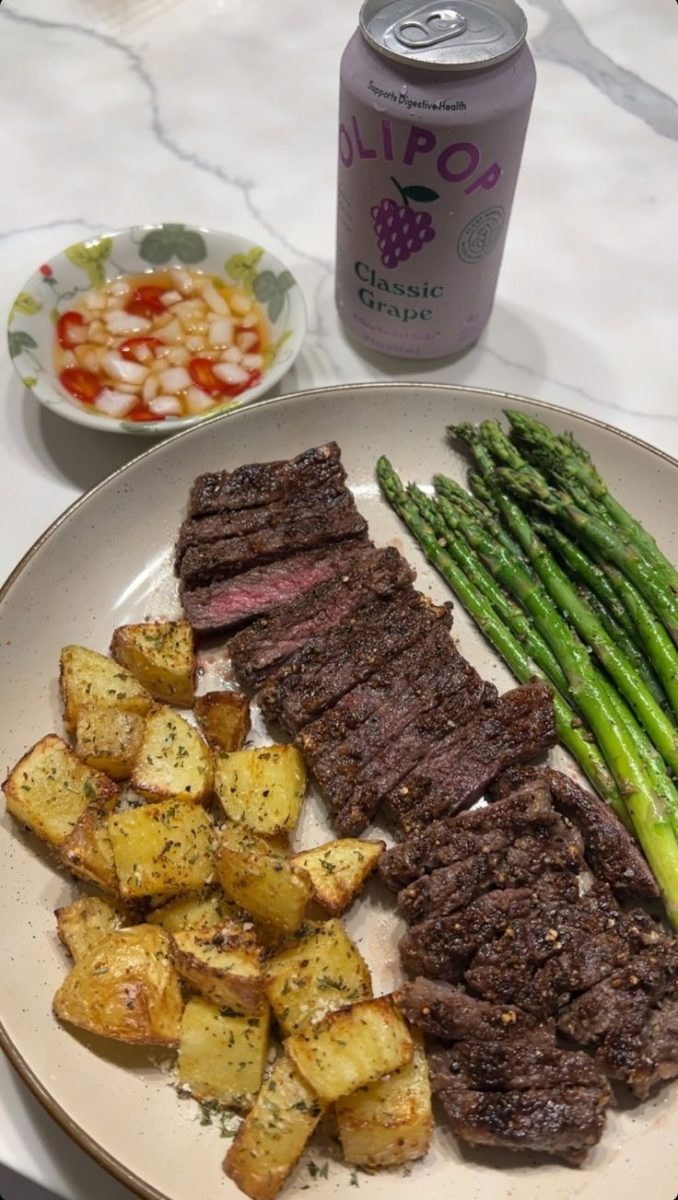
Food companies eventually caught on this trend. Grocery shelves now feature protein implementation food such as yogurt, pancakes, ice cream, and even chips. It’s no longer unusual to see a product boasting about the amount of protein it products withhold and how it’s a “healthier” and “safer” option than its competitors. Social media has been the one driving this idea of needing protein. Posts and videos of “high-protein meal prep” and high protein dessert recipes focused entirely on how to hit daily protein goals have been viral–often attracting millions of views, showing how you can eat healthy and amazing tasting food at the same time.
Although protein is one of the most vital macro-nutrients that our body needs, many experts still say that a balanced diet still is far more important than just hitting your daily protein goals. A healthy diet does not just include protein, it also includes carbohydrates, healthy fats, fiber, and vitamins. Whole food is actually one of the best ways you can eat healthy as more than often, protein dense foods are heavily processed–making it a worse option than eating whole food.
So whether it’s a protein ice cream you’re enjoying to feel a little bit less guilty about having dessert while you’re on a diet, protein has still become a part of everyday eating habits. And if current trends continue, the protein wave does not seem like it’ll be slowing down any time soon.