











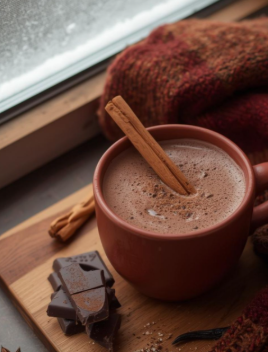
As the days grow shorter and shorter, we naturally start craving something warm. The cold season has a way of slowing everything down. As the need for extra layers, soft blankets, and a warm cup of steam is held between freezing hands, the cold season invites us to pause and seek simple pleasure. Hot chocolate, the often-to-go drink, is only one small part of a much larger world of comforting hot drinks. Across cultures, people have created their own unique beverages to combat the chill. Here are some of the most popular and fascinating drinks that bring people together during the icy cold of winter.
In many countries in Southeast Asia–such as China, Vietnam, and Thailand–hot ginger tea is a classic cold-season drink. It has deep roots in traditional medicine and daily life. It is often praised not only for its taste but also for its strong warming and vitalizing properties, making it memorable during cold, rainy seasons. Simmer fresh ginger slices in boiling water. Ginger tea has a natural, spicy, peppery flavor with a hint of sweetness when honey or sugar is added. People frequently drink ginger when they feel cold, tired, or slightly sick. Street vendors sometimes sell it near markets or temples during the colder months. In China, ginger tea is often associated with restoring balance within the body–ginger is believed to improve circulation and expel cold from the body. It is traditionally used to relieve sore throats, aid digestion, and support the immune system. Many people drink it during flu season to help prevent the flu or to feel better when they catch a cold. When the weather turns cold, a cup of ginger tea is a remedy that has been passed down through generations.
Café de Olla is a traditional Mexican coffee that captures the soul of Mexican culture. It originates from the Mexican Revolution in the early 20th century, as it was prepared by women who traveled with soldaderas–women who traveled and supported soldiers. Café de Olla remains a beloved beverage across Mexico, especially in rural areas and during colder seasons. What makes it distinct and unique is how it’s brewed and flavored. Unlike regular coffee, it is traditionally made in a clay pot called an olla de barro. This then gives the drink a subtle earthy aroma. The coffee is then brewed with cinnamon sticks and with piloncillo–a type of unrefined cane sugar. The result is a smooth and aromatic drink with natural sweetness and spice notes. The cinnamon does not overpower the drink, but it blends with the coffee’s bitterness. This makes it easy to drink even for those who can’t handle strong coffee. Café de Olla reminds us how simple ingredients can create something significant and comforting in a harsh environment.
In addition, sahlab is a beloved traditional hot drink enjoyed across the Middle East. Countries such as Egypt, Jordan, and Turkey have their own twists and variations of this drink. Sahlab is a seasonal traditional drink, deeply rooted in winter and street culture. The base of sahlab is made from milk, thickened with sahlab powder. This powder also gives the drink its signature consistency. The drink is gently heated and sweetened with sugar until it becomes smooth, rich, and silky. What truly makes sahlab special is its variety of toppings. It is often garnished with shredded coconut, cinnamon, nuts, or even dried raisins. These toppings provide a different texture and layers, balancing the smooth creaminess with crunch and warmth. Street vendors commonly sell sahlab during the cold evenings. For many people, buying a cup of sahlab on a chilly night is a part of their winter routine–similar to how many of us would visit Starbucks on the way home after a long day. It’s especially popular with children due to its sweetness and thick texture, which feels almost like drinking a warm dessert. Culturally, sahlab can be associated with comfort and generosity. It is often prepared at home for family gatherings or offered to guests when the season starts to get colder. Sahlabh is a symbol of winter coziness, community, and tradition, carrying a sense of warmth through its familiar taste and comforting texture.
Hot drinks should be valued for more than just their taste. Hot drinks represent cultures and local ways of surviving the cold. From different cultures, from Southeast Asia with its ginger tea to Mexico with its comforting Café de Olla, each drink carries the warmth of its homeland. So this winter, besides making your usual instant hot chocolate, explore the world through a cup of something new. You might find your next favorite drink to accompany you in these cold environments.